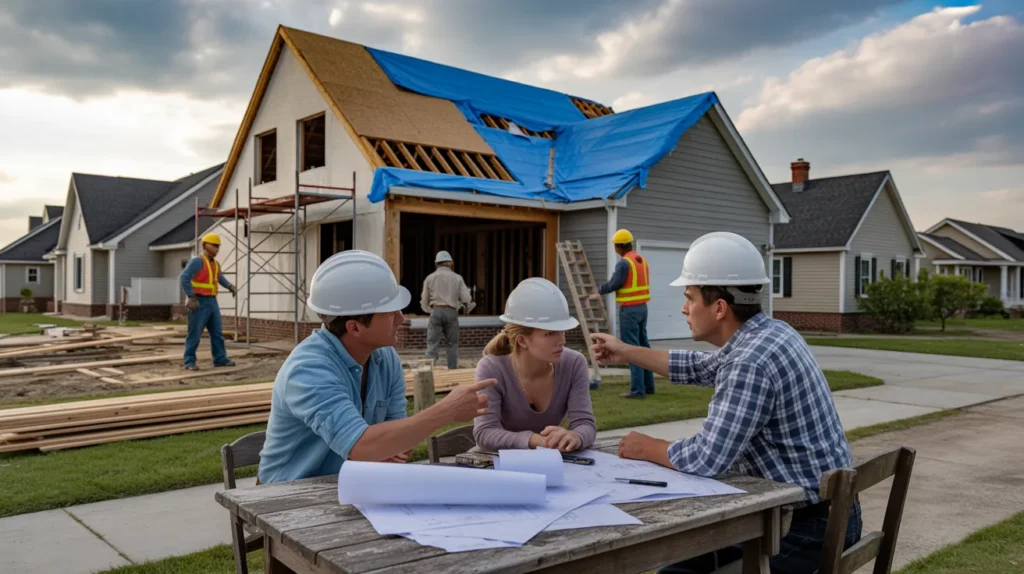
Most homeowners assume that if something happens to their home, their insurance will cover the cost of rebuilding it. After all, that is what replacement cost coverage is supposed to do.
But the reality is quite different from what we usually assume.
Over the past few years, rebuilding costs have changed quite a bit. Materials have become more expensive, skilled labor is not easily available, and construction timelines have stretched longer than before. The problem is, insurance coverage does not always keep pace with these changes. Because of this, underinsurance slowly starts to build up without people even realizing it.
What Replacement Cost Really Means
Replacement cost basically means the amount it would take to rebuild your home using similar materials and quality, based on current prices. It does not consider depreciation, which is why most homeowners prefer it over actual cash value coverage.
On paper, it sounds simple. If your home is damaged or destroyed, insurance should ideally cover the full cost to rebuild it.
But this works only if the estimate used for your coverage is updated.
And this is where things can start going wrong.
Why This Is Becoming a Bigger Issue
One thing that is clearly visible today is the rise in construction costs. Prices of basic materials like cement, steel, wood, and other fittings have increased over time. Even when prices stabilize, they usually do not come back to earlier levels.
Along with this, labor cost is also going up. Skilled workers are in demand, and this naturally increases the overall rebuilding cost. In many cases, it also delays construction work, which adds extra expense.
Then we also have natural disasters. Events like floods, hurricanes, and wildfires create sudden pressure on the construction market. When many homes need to be rebuilt at the same time, demand increases and so do prices. This is something we often do not consider while reviewing insurance.
Another important factor is building codes. If your home was built years ago, rebuilding it today may require upgrades to meet current rules and safety standards. These upgrades are not always cheap and may not be fully covered unless your policy includes them.
When all these factors come together, it becomes quite clear that old replacement cost estimates may not match today’s actual rebuilding cost.
What Happens When You Are Underinsured
Underinsurance is not something most homeowners notice immediately. It usually comes into the picture only when a claim is filed, and at that time, it is already difficult to fix.
If your coverage limit is lower than the actual cost to rebuild, you will have to pay the difference from your own pocket. Depending on how big the gap is, this can become a serious money problem.
Many insurance policies also have something called a coinsurance clause. Simply put, you are expected to insure your home for a certain percentage of its real value, usually around 80 percent or more. If this is not followed, your claim payout can get reduced, even if the damage is only partial.
In real claim cases, we often notice that the insurance amount is not enough to fully cover the rebuilding cost. This is also in line with general industry understanding shared by organizations like APCIA and supported by construction cost trends reported by the U.S. Bureau of Labor Statistics.
Apart from financial stress, there is also a practical side. Insufficient coverage can delay rebuilding, force compromises in material quality, or create difficulties in completing the house as originally planned.
In some serious cases, homeowners are not able to fully restore their home to the way it was before.
Why It Is Worth Reviewing Your Coverage
A lot of people treat home insurance like something you take once and forget. But that approach does not really work anymore.
Because costs keep changing, it makes sense to review your replacement cost estimate from time to time. It does not have to be complicated—just a quick conversation with your insurer or agent can really help.
This becomes even more important if you have done any renovations or improvements in your home. Even small changes like kitchen upgrades or any structural changes can also change the rebuilding cost.
What You Can Do About It
The good news is that this risk can be managed with careful attention.
Start by asking your insurer for an updated replacement cost estimate. Make sure it matches today’s construction costs in your area, not old estimates.
You can also see if your policy has extended or guaranteed replacement cost cover. These options provide extra support if rebuilding costs more than your insured amount.
Another useful thing is an ordinance or law cover. This helps pay extra costs if you need to follow new building rules while rebuilding.
Some policies also give inflation protection, which slowly increases your cover over time. It helps, but you should not depend only on this.
Lastly, try to keep a record of any home improvements you do. Even small upgrades can slowly increase the overall rebuilding cost.
Final Thoughts
Replacement cost coverage is still one of the most important parts of a home insurance policy. But it does not stay accurate on its own.
Costs keep changing, markets move, and over time even a good policy can slowly stop matching real rebuilding expenses. Taking a little time to review your coverage today can save you from a much bigger problem later. Because when it comes to rebuilding your home, even small gaps in coverage can turn into a serious financial issue.